
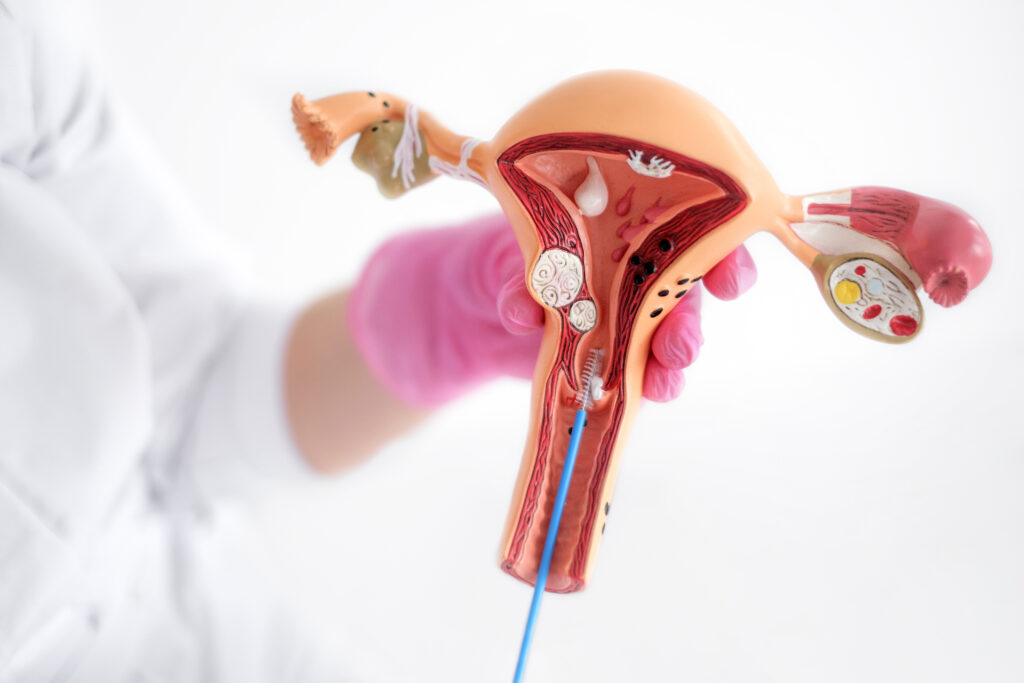
What is Adenomyosis?
Adenomyosis is a condition that affects the uterus. In this condition, the tissue that normally lines the uterus grows into the muscle wall of the uterus. Because of this, many women experience heavy menstrual bleeding and pelvic pain. Adenomyosis can impact uterine health and may cause discomfort during periods. Although it is not life-threatening, it can affect your daily life. According to the World Health Organization, adenomyosis is common in women between 35 and 50 years old.
Common Symptoms of Adenomyosis
Many women with adenomyosis notice changes in their periods. However, some may not have any symptoms. Common signs include:
Sometimes, these symptoms can be mistaken for other uterine health issues. Therefore, it is important to talk to your doctor if you notice any of these signs.
Causes and Risk Factors
Doctors are still studying what causes adenomyosis. However, several factors may increase your risk. For example, women who have had children are more likely to develop this condition. Also, women over 40 are at higher risk. Other possible risk factors include:
Although the exact cause is unknown, changes in hormones like estrogen may play a role. As a result, adenomyosis often improves after menopause.
How Adenomyosis is Diagnosed
Doctors use several methods to diagnose adenomyosis. First, they ask about your symptoms and medical history. Next, they may perform a pelvic exam to check for an enlarged or tender uterus. In addition, imaging tests can help confirm the diagnosis. These may include:
Sometimes, doctors may rule out other causes of heavy menstrual bleeding or pelvic pain. In rare cases, a biopsy may be needed. However, this is not common.
Treatment Options for Adenomyosis
Treatment for adenomyosis depends on your symptoms and whether you want to have children. For mild symptoms, doctors may suggest simple pain relief. However, if symptoms are severe, other treatments may be needed. Common options include:
Because each woman is different, your doctor will help you choose the best treatment for your needs.
Lifestyle Tips and Self-Care
Along with medical treatment, self-care can help manage adenomyosis symptoms. For instance, you can try:
Additionally, keeping a symptom diary can help you and your doctor track changes over time.
Prevention and When to See a Doctor
Currently, there is no sure way to prevent adenomyosis. However, regular check-ups can help catch problems early. If you notice heavy menstrual bleeding, severe pelvic pain, or changes in your periods, you should see a gynecologist. Early diagnosis can lead to better management and improved quality of life. Remember, not all period pain is normal. Therefore, do not ignore symptoms that affect your daily activities.
Consult a gynecologist for personalized advice about adenomyosis.