
Every Teenager Should Know!
Introduction
Spotting PCOS early can help teenagers manage their health better. PCOS, or Polycystic Ovary Syndrome, is a common hormone problem in young girls and teens. Early signs of PCOS in teens may be easy to miss. However, knowing PCOS symptoms in adolescents can make a big difference. If you notice changes in your body or periods, it is important to pay attention. Early detection can help prevent future health issues and improve well-being.
What is PCOS?
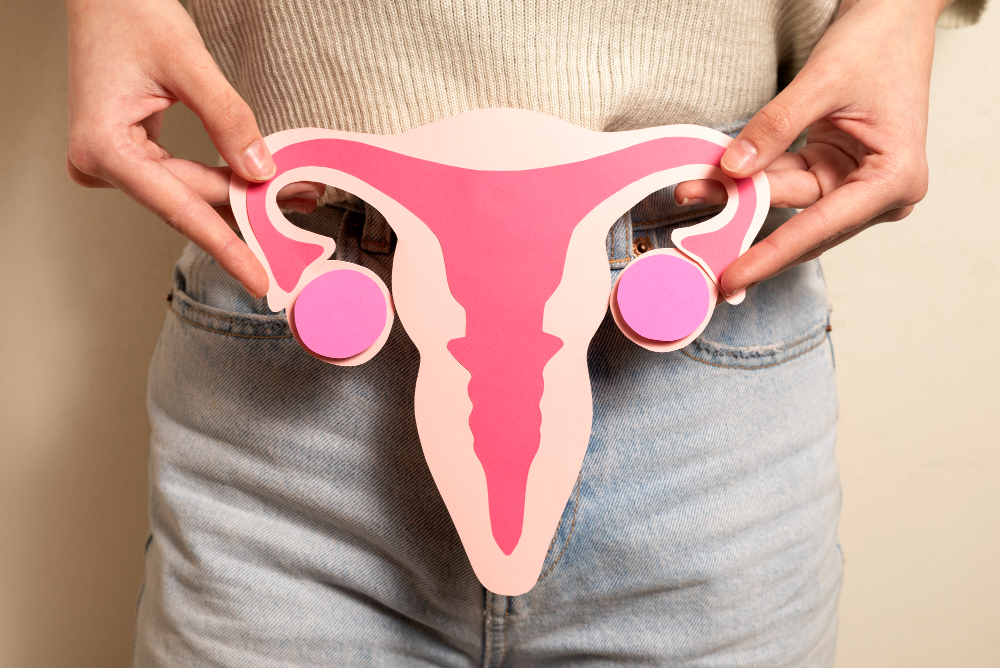
PCOS stands for Polycystic Ovary Syndrome. It is a health condition that affects how the ovaries work. The ovaries are small organs that make eggs and hormones. In PCOS, the ovaries may not release eggs regularly. As a result, hormone levels can become unbalanced. This can lead to missed periods, extra hair growth, or acne. PCOS is common in teenagers and young women. According to the CDC, about 1 in 10 women of childbearing age have PCOS.
Why Early Detection Matters for Teenagers
Early detection of PCOS in teenagers is very important. When you spot PCOS early, you can start treatment sooner. This can help prevent long-term problems like diabetes or heart disease. Also, early care can improve self-esteem and mental health. For example, treating symptoms like acne or hair growth can boost confidence. In addition, early action can help keep periods regular and reduce pain. Therefore, knowing the signs helps teens take control of their health.
Key Signs and Symptoms of PCOS in Teens
Many early signs of PCOS in teens can be mistaken for normal changes. However, some symptoms may signal a problem. Watch for these key signs:
Not every teen will have all these symptoms. Still, if you notice several signs, it is wise to talk to a doctor. Early signs of PCOS in teens can be subtle, so paying attention is key.
How PCOS is Diagnosed in Adolescents
Doctors use several steps to diagnose PCOS in teenagers. First, they will ask about your periods and symptoms. Next, they may do a physical exam. Sometimes, blood tests are needed to check hormone levels. In some cases, an ultrasound may be done to look at the ovaries. However, not all teens with PCOS have cysts on their ovaries. Therefore, doctors look at the whole picture before making a diagnosis. According to the CDC, a diagnosis is made when at least two main signs are present.
Lifestyle Tips for Teens with PCOS
Healthy habits can help manage PCOS symptoms. Here are some tips for teens:
With support, many teens can control their symptoms and feel better.
Prevention and When to Seek Medical Advice
While you cannot always prevent PCOS, healthy habits may lower your risk. For example, staying active and eating well can help. If you notice any early signs of PCOS in teens, do not wait. It is important to see a healthcare provider if:
Early help can make a big difference in your health and confidence.
Conclusion
Spotting PCOS early in teenagers is important for long-term health. Knowing the key signs and symptoms can help you take action. If you notice any of these signs, consult a healthcare specialist for personalized guidance. Early care can help you feel your best and prevent future problems.