
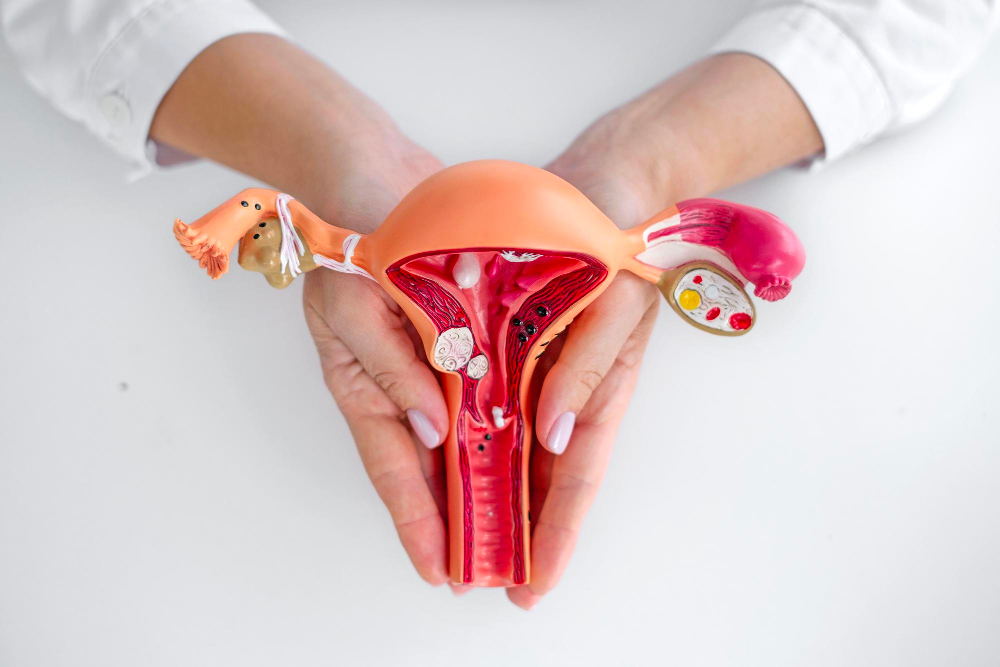
What is Endometriosis?
Endometriosis is a health condition that affects many women. In this condition, tissue like the lining inside the uterus grows outside of it. Because of this, women may feel pain, especially during their periods. Sometimes, it can also cause problems with getting pregnant. According to the World Health Organization (WHO), endometriosis affects about 10% of women of childbearing age. While the main symptoms are pelvic pain and heavy periods, other signs can appear too. For example, some women notice pain during sex or while using the bathroom.
Understanding Gut Health
Gut health means how well your digestive system works. This includes your stomach, intestines, and the helpful bacteria living there. These bacteria, called the gut microbiome, help break down food and keep your body healthy. In addition, a healthy gut helps your immune system and can even affect your mood. Many experts now believe that gut health is important for overall wellness. Therefore, keeping your gut in good shape matters for everyone, especially women.
Possible Links Between Endometriosis and Gut Health
Recently, researchers have started to look at the endometriosis and gut health connection. Some studies suggest that women with endometriosis may have changes in their gut microbiome. For instance, they might have fewer helpful bacteria and more harmful ones. Because the gut and immune system are closely linked, these changes could affect inflammation in the body. As a result, gut health might play a role in how severe endometriosis symptoms are. Although more research is needed, the idea of a gut microbiome and women’s health link is growing stronger.
Symptoms Overlap and Differences
Sometimes, endometriosis and gut problems can look alike. For example, both can cause:
However, there are differences too. Endometriosis pain often gets worse during periods, while gut issues may not follow a monthly pattern. In addition, endometriosis can cause pain during sex or urination, which is less common with gut problems. Because symptoms can overlap, it is important to talk to a doctor for the right diagnosis.
Diagnosis: What to Expect
If you have symptoms of endometriosis or gut problems, your doctor will ask about your health history. Next, they may do a physical exam. Sometimes, doctors use imaging tests like ultrasound to look for signs of endometriosis. In some cases, a special surgery called laparoscopy is needed to confirm the diagnosis. For gut health issues, doctors might suggest stool tests or blood tests. Because symptoms can be similar, your doctor may check for both conditions at the same time.
Treatment Options and Lifestyle Tips
Treating endometriosis often involves medicine to reduce pain and inflammation. For example, doctors may suggest pain relievers or hormone therapy. In some cases, surgery is needed to remove the extra tissue. When gut health is involved, doctors may recommend changes in diet or probiotics to support the gut microbiome. Additionally, some lifestyle tips can help manage both conditions:
Because every person is different, your doctor can help create a plan that works best for you.
Prevention and Ongoing Research
Right now, there is no sure way to prevent endometriosis. However, keeping your gut healthy may help lower inflammation in the body. For instance, eating a diet high in fruits, vegetables, and whole grains can support gut health. Researchers are still studying the endometriosis and gut health connection. As more is learned, new treatments may become available. Because science is always moving forward, staying informed can help you make the best choices for your health.