
Importance of Iron for Women’s Health
Iron is a key mineral for good health. For Indian women, an iron-rich diet is very important. Iron helps make hemoglobin, which carries oxygen in the blood. Without enough iron, the body cannot work well. Women need more iron than men, especially during periods, pregnancy, and breastfeeding. Because of this, many Indian women are at risk of iron deficiency. Eating the right foods can help keep iron levels healthy.
Common Symptoms and Risks of Iron Deficiency in Indian Women
Iron deficiency is common among Indian women. It can cause many health problems. For example, you may feel tired or weak. Some women notice pale skin or shortness of breath. In some cases, you may have headaches, dizziness, or cold hands and feet. If iron levels stay low for a long time, it can lead to anemia. Anemia can make it hard to focus at work or school. It can also affect pregnancy and the health of the baby. Therefore, knowing the signs helps you act early.
Causes of Iron Deficiency Specific to Indian Diets and Lifestyles
Many Indian diets are low in iron-rich foods. For instance, vegetarian meals may lack enough iron. Also, some foods block iron absorption. Eating lots of tea or coffee with meals can lower iron uptake. Heavy periods, frequent pregnancies, and poor nutrition increase the risk. In rural areas, women may not get enough variety in their diet. Because of these reasons, iron deficiency is a big concern in India.
Top Iron-Rich Foods Commonly Available in India
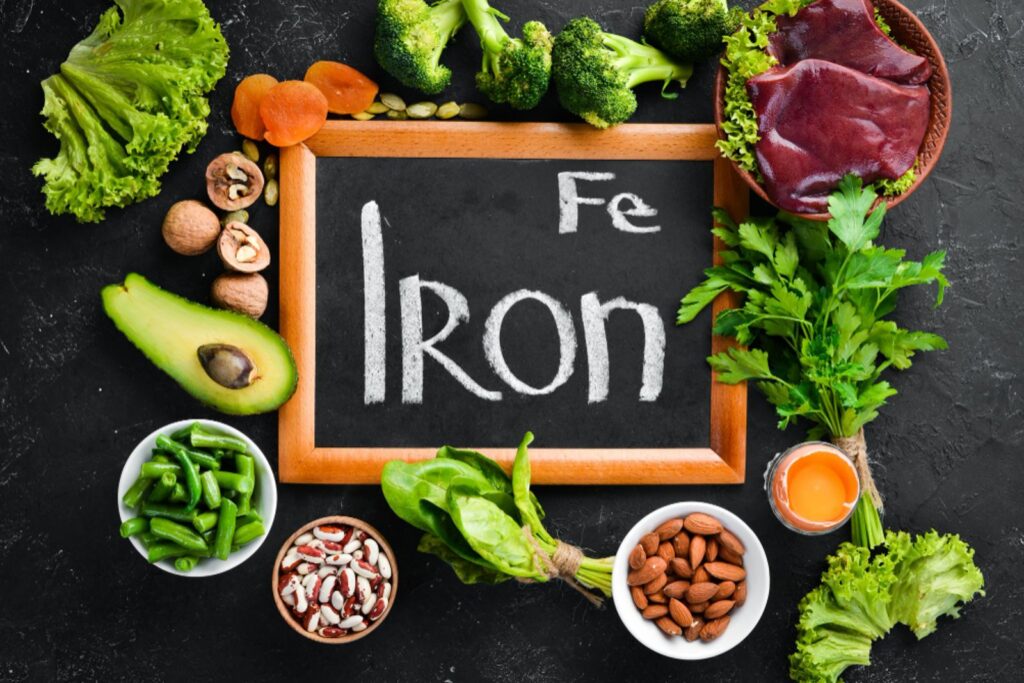
There are many iron-rich foods for Indian women. Both vegetarian and non-vegetarian options are easy to find. Adding these to your meals can help boost iron levels.
Practical Meal Planning Tips for Increasing Iron Intake
Planning meals can make it easier to get enough iron. For best results, try these simple tips:
Because meal planning can feel hard, start with small changes. Over time, these steps can help prevent iron deficiency.
Enhancing Iron Absorption: What to Eat and What to Avoid
Not all iron in food is absorbed by the body. However, you can boost absorption with a few changes. For example, eat vitamin C-rich foods with iron-rich meals. Lemon juice, tomatoes, and guava are good choices. On the other hand, avoid drinking tea or coffee with meals, as these block iron uptake. Also, calcium-rich foods like milk can reduce iron absorption if eaten together. Instead, have them at different times of the day.
Because small changes can make a big difference, try these tips daily.
Prevention Strategies for Iron Deficiency in Indian Women
Preventing iron deficiency is easier than treating it. First, get regular health check-ups to track your iron levels. Next, eat a balanced diet with a mix of iron-rich foods. If you are pregnant or breastfeeding, talk to your doctor about iron supplements. Schools and health centers in India often run iron supplementation programs for women and girls. Also, teach family members about the value of iron in the diet. Because prevention starts at home, sharing this knowledge can help everyone stay healthy.