
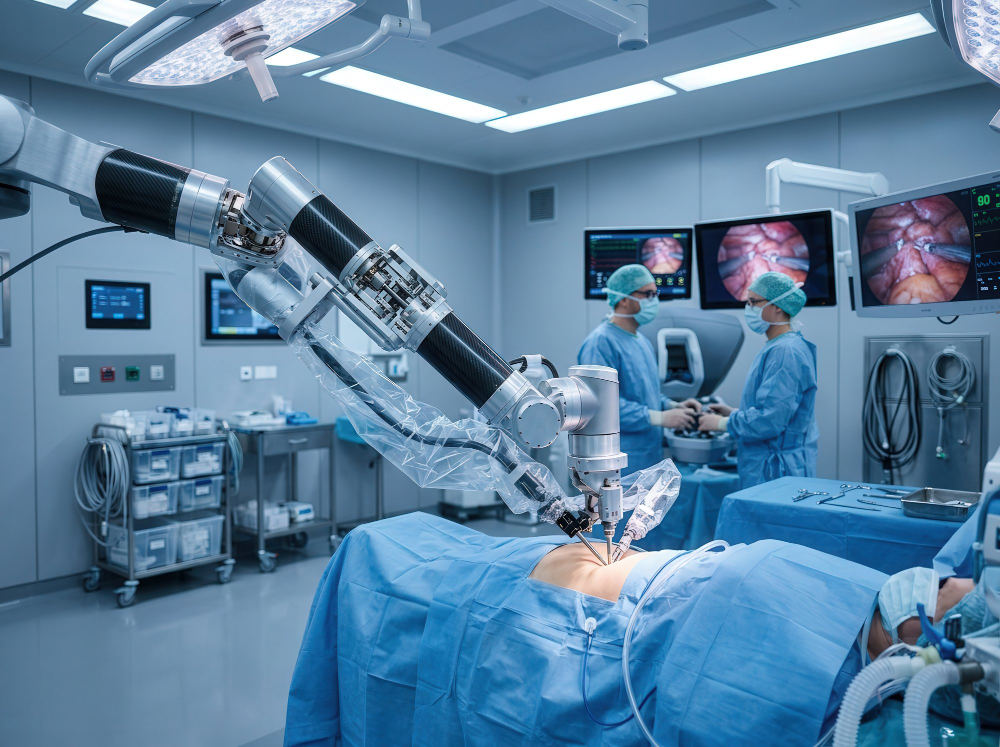
Many people wonder about robotic surgery safety, especially in obstetrics and gynecology. As technology grows, more doctors use robots to help with surgeries. But is robotic surgery safe? In this blog, you will learn how robotic surgery works, its benefits, risks, and what you should know before choosing it.
What Is Robotic Surgery in Obstetrics and Gynecology?
Robotic surgery in gynecology uses advanced tools to help doctors perform delicate procedures. Instead of large cuts, doctors make small openings. Then, they use robotic arms to move tiny instruments inside the body. For many women, this means less pain and a quicker recovery. In obstetrics and gynecology, robotic surgery is often used for conditions like fibroids, endometriosis, and some cancers. Because of its precision, many doctors now recommend it for certain cases.
How Does Robotic Surgery Work?
During robotic surgery, the doctor sits at a special console near the patient. From there, the doctor controls the robotic arms using hand and foot controls. As a result, the robot copies the doctor’s movements with great accuracy. The robot also has a camera that gives a clear, 3D view inside the body. This helps the doctor see small details and avoid healthy tissue. Even though a robot is used, the doctor is always in control. In fact, the robot cannot work on its own.
Common Procedures Using Robotic Surgery
Robotic surgery in gynecology is used for many procedures. Some of the most common include:
Because robotic tools are so precise, these surgeries often have fewer problems than traditional methods.
Benefits of Robotic Surgery
Robotic surgery offers many benefits for patients. For example, it often causes less pain and blood loss. Additionally, patients may spend less time in the hospital. Some key benefits include:
Because of these benefits, many women prefer robotic surgery when it is an option.
Potential Risks and Safety Concerns
Although robotic surgery is safe for most people, it does have some risks. Like any surgery, there can be problems such as bleeding or infection. Sometimes, the robotic system may have technical issues. However, doctors are trained to handle these situations. Other possible risks include:
Still, most studies show that robotic surgery risks are similar to or lower than traditional surgery. Always talk to your doctor about your personal risks.
What Does the Research Say About Robotic Surgery Safety?
Many studies have looked at robotic surgery safety in gynecology. According to research published in medical journals, robotic surgery is as safe as other types of surgery for most patients. In fact, some studies show fewer problems after robotic surgery, such as less pain and faster healing. The World Health Organization and other health groups note that patient safety depends on the doctor’s skill and the hospital’s experience. However, not every patient is a good fit for robotic surgery. Your doctor will help decide what is best for you.
How to Prepare for Robotic Surgery
Preparation is important for a safe surgery. First, your doctor will explain the procedure and answer your questions. Next, you may need to stop certain medicines before surgery. Sometimes, you will need blood tests or other checks. On the day of surgery, you should follow your doctor’s instructions about eating and drinking. After surgery, you will get tips for caring for your cuts and managing pain. Because each person is different, your doctor will give you a plan that fits your needs.
Questions to Ask Your Doctor About Robotic Surgery
Before choosing robotic surgery, it helps to ask your doctor questions. For example, you might ask:
By asking these questions, you can make the best choice for your health and safety.